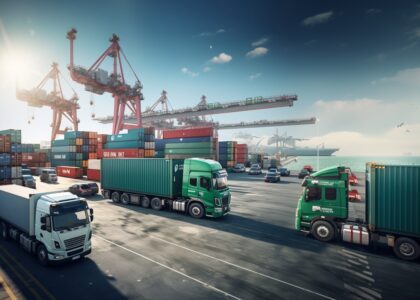


In today’s fast-moving business environment, delivery speed has become a defining factor for customer satisfaction and brand reputation. Whether it’s e-commerce, manufacturing, or retail, companies are under constant pressure to deliver products faster while keeping costs under control. This is where smart logistics solutions play a crucial role. Powered by technology, automation, and data-driven insights, modern logistics systems help businesses streamline operations, reduce delays, and enhance overall delivery efficiency.
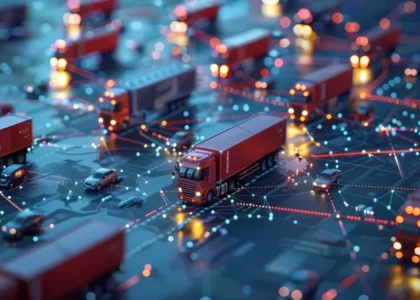
One of the most significant ways smart logistics improves delivery speed is through real-time tracking and visibility. Advanced GPS systems, IoT devices, and digital dashboards allow businesses to monitor shipments at every stage. This level of transparency enables quick decision-making, immediate response to delays, and better coordination between warehouses, transport teams, and customers. With real-time updates, companies can avoid disruptions and maintain smooth delivery flow.
Another major advantage is route optimization. Smart logistics platforms analyze traffic patterns, weather conditions, vehicle capacity, and delivery priorities to determine the fastest possible route. By avoiding congestion and unnecessary travel, businesses can significantly reduce delivery time while saving fuel and operational costs. Efficient routing ensures that drivers reach their destinations quickly, even during peak hours or challenging conditions.
Automation also plays a key role in enhancing delivery speed. Automated warehousing solutions, such as robotics, smart conveyor systems, and barcode scanning, help reduce manual errors and speed up order processing. Inventory is organized more efficiently, picking and packing become faster, and orders move out of warehouses with minimal delays. Automation eliminates bottlenecks and ensures that shipments are dispatched on time.
Data analytics is another powerful component of smart logistics. By analyzing historical data and real-time trends, logistics managers can forecast demand, identify potential delays, and optimize resources accordingly. Predictive analytics helps businesses prepare for seasonal peaks, plan staff schedules, and manage inventory effectively—all contributing to faster and smoother deliveries.
Finally, smart logistics solutions improve communication across the delivery chain. Digital platforms allow seamless coordination between suppliers, transport companies, warehouse teams, and customers. With improved collaboration and instant communication, issues are resolved faster, leading to more efficient delivery timelines.
In conclusion, smart logistics solutions are transforming the way businesses manage delivery operations. By leveraging technology, automation, and real-time data, companies can significantly enhance delivery speed, reduce costs, and exceed customer expectations. As logistics continues to evolve, adopting smart solutions will be essential for staying competitive in a fast-paced market.