

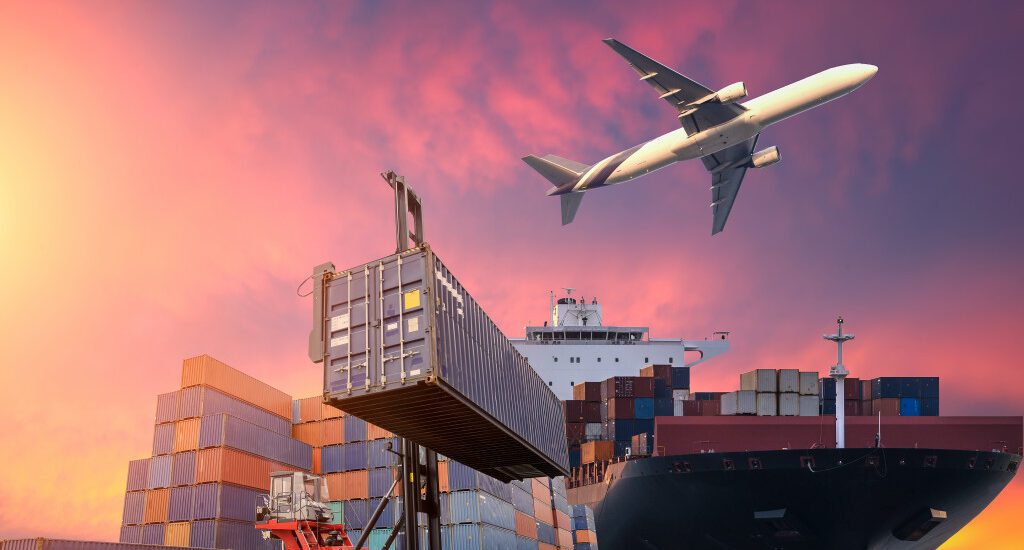
The logistics industry has undergone a massive transformation in recent years. With rising customer expectations, global supply chain complexities, and the demand for faster deliveries, businesses are increasingly relying on advanced technologies to stay competitive. Modern logistics services are no longer just about transportation and warehousing—they are powered by innovation, automation, and real-time data.
Real-Time Tracking and Visibility
One of the most significant technological advancements in logistics is real-time tracking. GPS-enabled vehicles and advanced tracking systems allow companies and customers to monitor shipments at every stage of transit. This increased visibility improves transparency, reduces uncertainty, and enhances customer satisfaction. Businesses can proactively address delays, reroute shipments, and optimize delivery schedules with accurate, real-time information.
Automation and Smart Warehousing
Automation has revolutionized warehouse operations. Robotics, automated sorting systems, and barcode scanning technologies have significantly reduced manual errors and increased efficiency. Smart warehouses use inventory management software to track stock levels, predict demand, and manage replenishment automatically. This minimizes storage costs and ensures faster order fulfillment.
Automated systems also reduce labor-intensive tasks, enabling employees to focus on strategic operations. As a result, logistics providers can handle higher volumes with improved accuracy and reduced operational costs.
Artificial Intelligence and Data Analytics
Artificial Intelligence (AI) and data analytics play a crucial role in modern logistics services. AI-powered tools analyze historical data, predict demand patterns, and optimize route planning. This helps reduce fuel consumption, improve delivery timelines, and lower overall transportation costs.
Predictive analytics also assists businesses in managing risks such as supply chain disruptions, weather delays, and fluctuating market demands. With data-driven decision-making, logistics companies can enhance efficiency and maintain consistent service quality.
Cloud-Based Logistics Platforms
Cloud technology enables seamless communication between suppliers, transport providers, warehouses, and customers. Centralized platforms allow real-time data sharing, improving coordination across the entire supply chain. This reduces paperwork, enhances collaboration, and accelerates decision-making processes.
Enhanced Customer Experience
Technology has significantly improved the customer experience in logistics. Automated notifications, digital documentation, and faster delivery options create a smooth and reliable service journey. Customers now expect transparency and speed—and technology makes it possible.
In conclusion, technology is reshaping modern logistics services by increasing efficiency, reducing costs, and enhancing visibility. Companies that embrace digital transformation can streamline operations, meet customer expectations, and gain a competitive edge in today’s fast-moving marketplace.