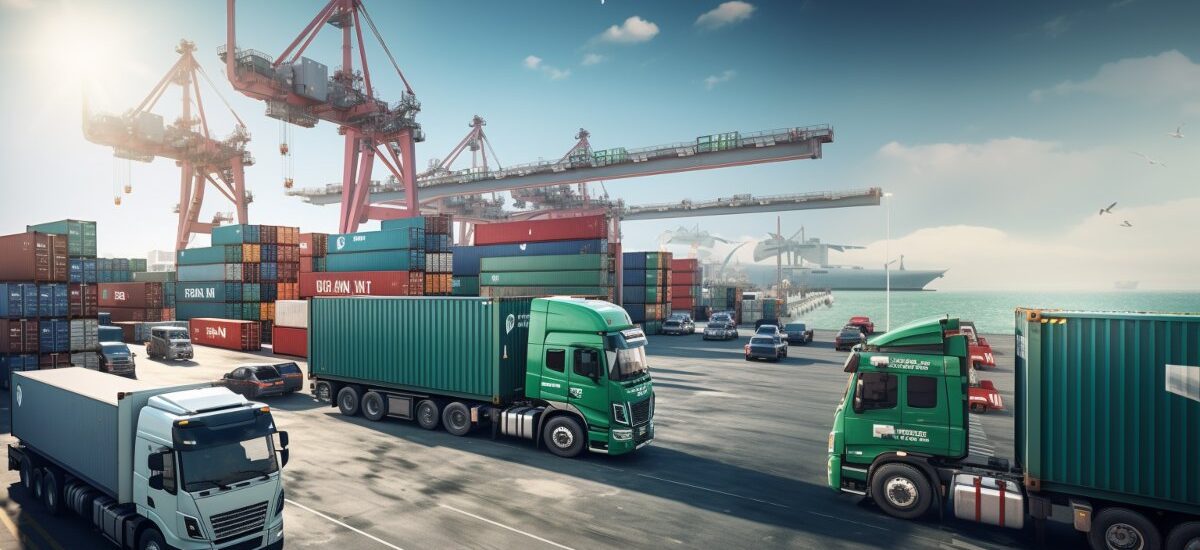
The retail industry is evolving rapidly, driven by changing customer expectations, technological advancements, and the explosive growth of e-commerce. While retailers aim to offer seamless shopping experiences, they often face significant logistics challenges that can disrupt operations and impact customer satisfaction. Understanding these challenges—and knowing how to overcome them—is essential for building a resilient and efficient retail supply chain.
One of the biggest challenges is inventory management. Retailers struggle to balance stock levels across multiple channels, especially during peak seasons or promotional periods. Overstocking leads to high storage costs, while understocking results in missed sales and unhappy customers. To overcome this, retailers can implement smart inventory systems that use real-time data and predictive analytics. These tools help forecast demand accurately, automate restocking, and ensure that inventory is always available where it’s most needed.
Another major challenge is last-mile delivery, which has become increasingly complex due to rising customer expectations for fast, low-cost shipping. Traffic congestion, delivery density, and failed delivery attempts often lead to delays and increased costs. Retailers can tackle this issue by adopting innovations such as route optimization software, delivery lockers, micro-fulfillment centers, and flexible delivery options like curbside pickup. These strategies help reduce delivery time and improve customer satisfaction.
Reverse logistics is also a critical issue in retail, especially with high online return rates. Handling returns requires additional labor, storage space, and transportation, making it costly and time-consuming. Retailers can address this challenge by streamlining their return policies, using automated return processing systems, and offering in-store return options to reduce logistics pressure.
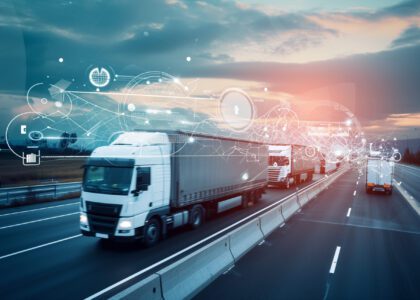
Supply chain visibility remains a major bottleneck. Without real-time insights into product movement, retailers struggle to track shipments, predict delays, and make informed decisions. Implementing technologies like IoT devices, RFID tags, and centralized tracking platforms can significantly improve visibility. Greater transparency allows retailers to respond quickly to disruptions and maintain smoother operations.
Finally, retailers often face rising logistics costs, including fuel, labor, and warehousing expenses. To overcome this, businesses can adopt strategies such as outsourced logistics partnerships, automation in warehouses, and smart route planning. These solutions help reduce operational costs while maintaining high service quality.
In conclusion, logistics challenges in retail can be complex, but they are manageable with the right tools and strategies. By embracing technology, enhancing visibility, and optimizing delivery processes, retailers can build a stronger, faster, and more efficient supply chain—ultimately creating better shopping experiences for their customers.