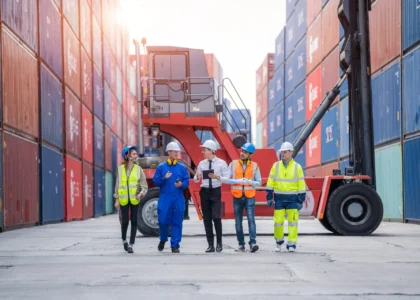


The logistics industry is undergoing rapid transformation, driven by advanced technology, shifting customer expectations, and global market changes. As businesses strive for greater efficiency and faster deliveries, supply chains are evolving with innovative solutions that enhance visibility, reduce costs, and improve overall performance. The future of logistics is being shaped by several emerging trends that are redefining how goods move across the world.
One of the most impactful trends is digital transformation. Technologies like artificial intelligence (AI), machine learning, and the Internet of Things (IoT) are revolutionizing how logistics operations are managed. Sensors and IoT devices now provide real-time data on product conditions, vehicle movement, and inventory levels. This high level of visibility enables companies to make quick, informed decisions, reduce delays, and improve delivery accuracy.
Another major trend is the rise of automation and robotics. Automated warehouses, robotic picking systems, and autonomous vehicles are becoming increasingly common. These solutions help reduce labor dependency, improve speed, and minimize errors. In warehouses, robots can organize inventory, pack orders, and prepare shipments faster than traditional manual processes. On the road, autonomous trucks and delivery drones are set to further accelerate last-mile delivery in the near future.
Sustainability is also becoming a priority in logistics. Companies are focusing on reducing their carbon footprint by adopting electric vehicles, optimizing routes, and using eco-friendly packaging. Green logistics is not just a trend—it’s a necessity driven by stricter regulations and customer demand for environmentally responsible brands. Sustainable supply chain practices help businesses reduce costs while improving their brand reputation.
The growth of e-commerce has also fueled the demand for hyper-efficient last-mile delivery solutions. Customers now expect fast, flexible, and affordable delivery options. To meet these expectations, logistics providers are integrating smart delivery lockers, micro-fulfillment centers, and real-time delivery tracking systems. These innovations are making last-mile delivery faster and more predictable.
Another key trend shaping the future of logistics is data-driven decision-making. Predictive analytics allows companies to anticipate demand spikes, manage inventory levels, and plan transportation more efficiently. By analyzing historical data and market trends, logistics managers can optimize routes, reduce fuel consumption, and avoid unnecessary delays.
In conclusion, the future of logistics is being shaped by digitalization, automation, sustainability, and data intelligence. Businesses that embrace these trends will not only improve supply chain efficiency but also stay competitive in an increasingly demanding global market. The logistics landscape is changing fast, and the companies that adapt today will lead tomorrow’s supply chain ecosystem.